News & Updates
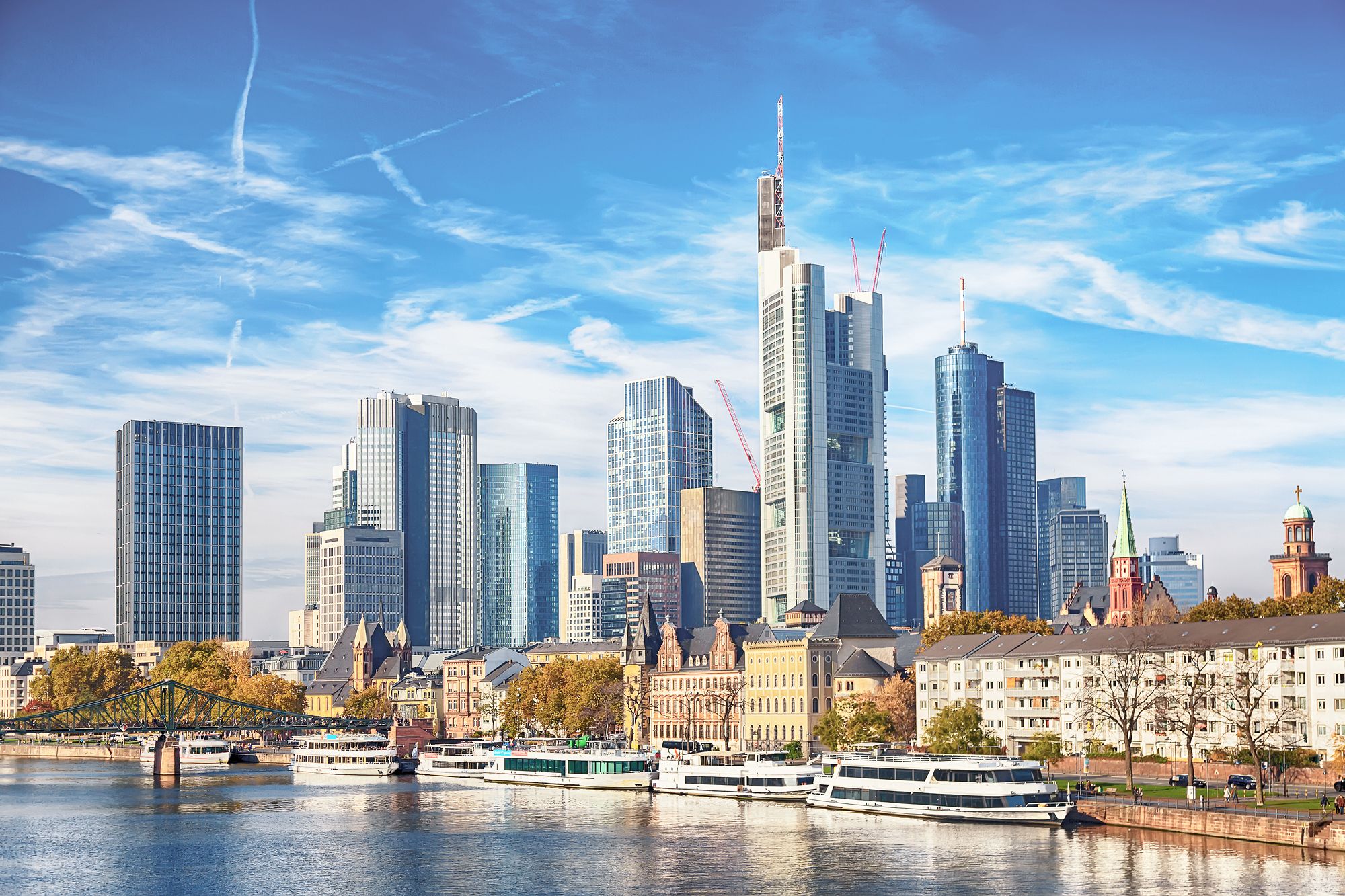
EU and Germany, a uniquely successful project
Jenny Körner Wed, Feb 26, 2025
The European Union is the most politically and economically successful community of sovereign states in history. Material prosperity and economic performance in the EU are around three times higher than the global average, measured in terms of economic output per capita. The member states are also among the world leaders in terms of income equality, education and life expectancy. For Germany and the other countries, EU membership generates considerable economic benefits. Third countries such as Switzerland and Norway have therefore signed up to the EU rules and make a substantial contribution to the EU budget without having a say of their own.
Brexit also demonstrated what would be at stake economically if the close ties with the EU were to be severed. In 2023, the UK's real gross domestic product per capita was only 3.8% higher than in 2016, the year of the Brexit decision. In the EU, the increase in the same period was almost three times as high (+11.0 %). Brexit is estimated to have reduced UK exports to the EU by 16% and imports from the EU by as much as 20% compared to the hypothetical scenario of remaining in the EU.
The key to the EU's success is the willingness of its member states to cooperate on a sustainable basis. Cooperation results in a give and take from which everyone benefits as a result: Trading nations such as Germany in particular from free trade, others from capital inflows or economic aid. However, the value of the EU goes beyond the economic. Democracy, human rights, the social market economy, free movement of labour, consumer and environmental protection: all of these contribute to the high quality of life and individual development opportunities in Europe. First and foremost, however, is securing peace across the entire European continent.
Benefits Europeans experience due to the EU:
1. As constitutional democracies, the member states have committed themselves to protecting freedom and human rights and working together to secure peace. In a world in which more than a third of all states are still ruled by dictators and the devastating consequences of wars have increased in sadness due to the conflicts in Ukraine and Gaza, such a community of stability and values is a valuable asset. Against the backdrop of two world wars in the past 100 years, we must never forget this. The fact that the arch-enemies Germany and France, who fought four terrible wars against each other within 150 years, have become partners and friends also shows the integrative effect of the EU.
2. With a gross domestic product of more than 14.5 trillion euros, the EU is the second largest single market in the world. While the global fragmentation of markets is increasing due to trade barriers, the EU promotes the economic integration of European countries through the free movement of goods. The EU also protects the internal market from unfair distortions of competition from non-European countries. Standardised European rules ensure fair competition between companies within the EU. As a trading nation, Germany in particular is dependent on a rules-based trading system, which the EU is better able to promote than individual member states vis-à-vis the rest of the world due to its economic weight. This reduces the costs and risks of trade and investment. The 447 million EU citizens can thus choose from a wide variety of products at more favourable prices.
3. The EU is a community of solidarity and stability. Through the EU budget, weaker regions receive financial aid for the development of competitive structures and a better quality of life locally. In the current funding period up to 2027, the member states have slightly more than 1.2 trillion euros available for this purpose from the Multiannual Financial Framework alone. Boosted by the temporary recovery instrument NextGenerationEU, this amounts to a record amount of just over €2 trillion to help repair the economic and social damage caused by the coronavirus pandemic as well as to improve the quality of life in the regions.
4. Cross-border freedom of movement for workers creates a labour market with more than 200 million employees. Every EU citizen can look for a job in the member state of their choice. This increases the opportunities for professional fulfilment. This also contributes to higher incomes, the avoidance of shortages of skilled labour and a reduction in unemployment.
5 The EU offers us tangible everyday benefits that we often mistakenly take for granted. These include freedom to travel without border formalities, Europe-wide consumer and environmental protection, a wide range of goods and services and the euro as the single currency. Studying internationally is also easier than ever before thanks to the EU's Erasmus programme.
To book business destination venues, events, conferences, click www.micegermany.de
More articles for you
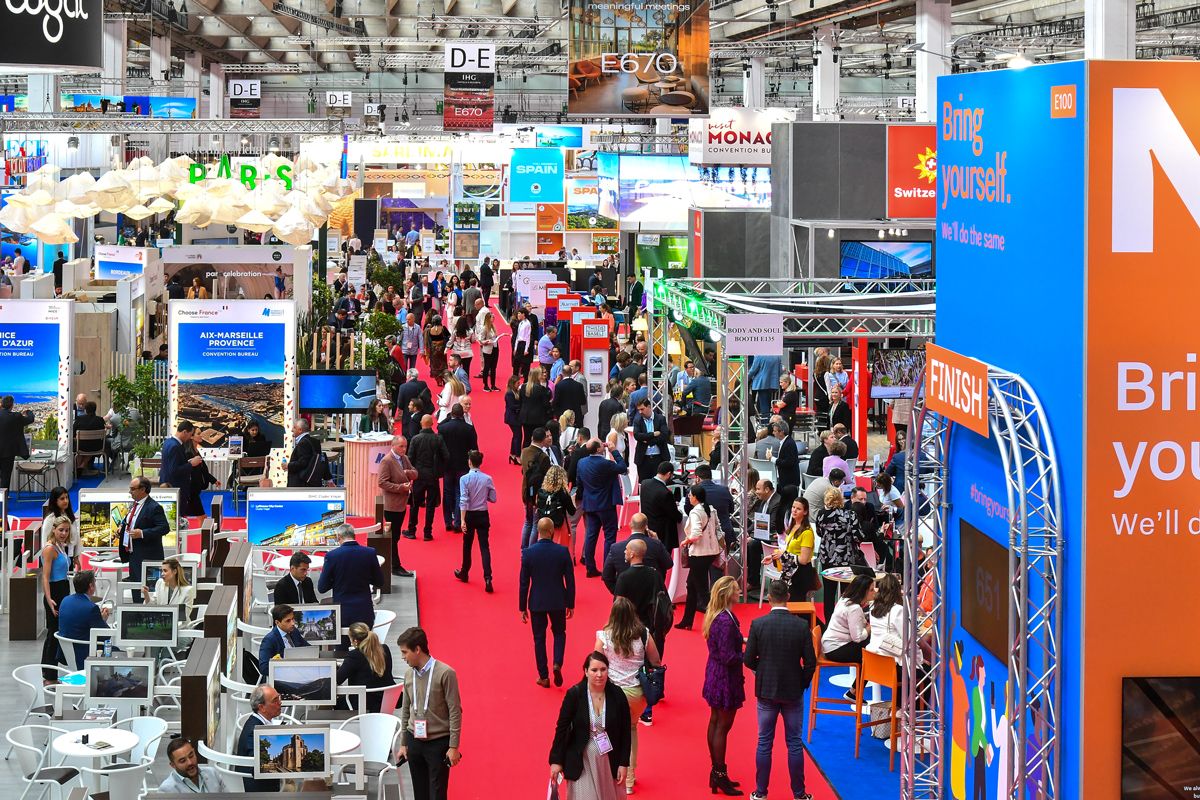
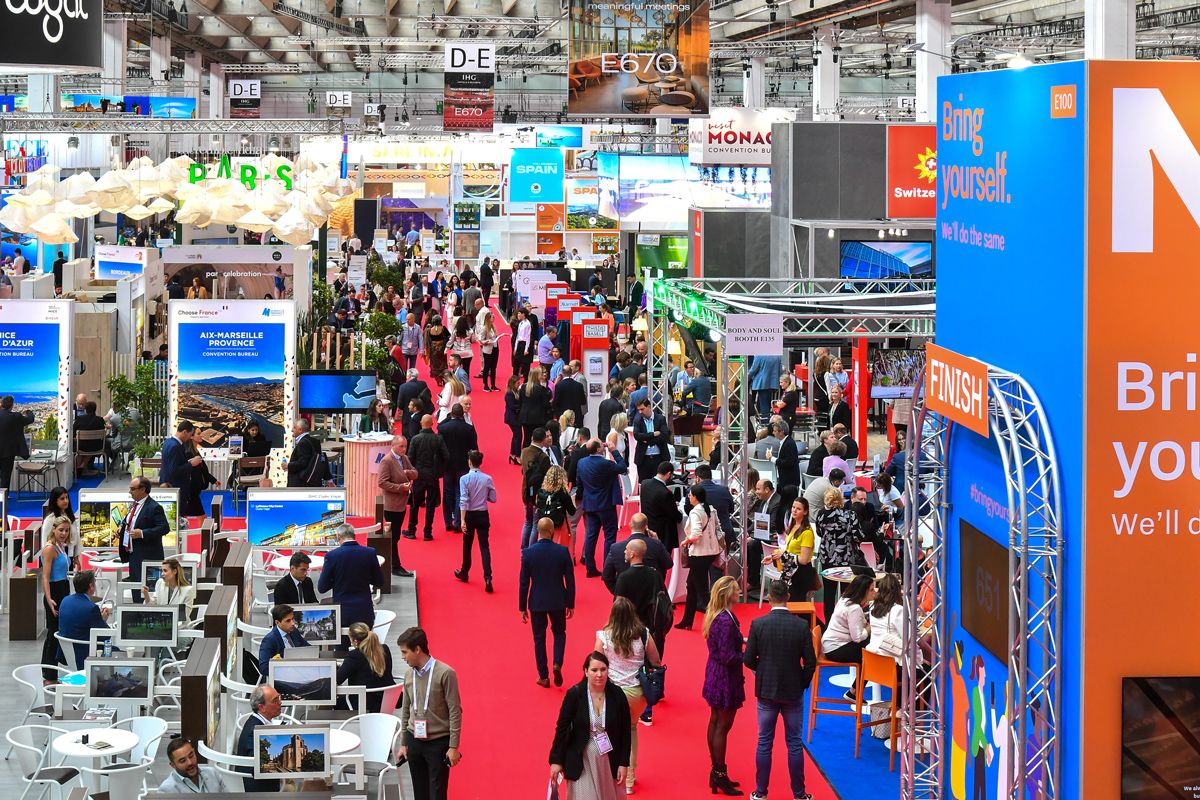
Why IMEX 2025 Was More Than Just a Trade Show
Fri, May 23, 2025 4 Mins
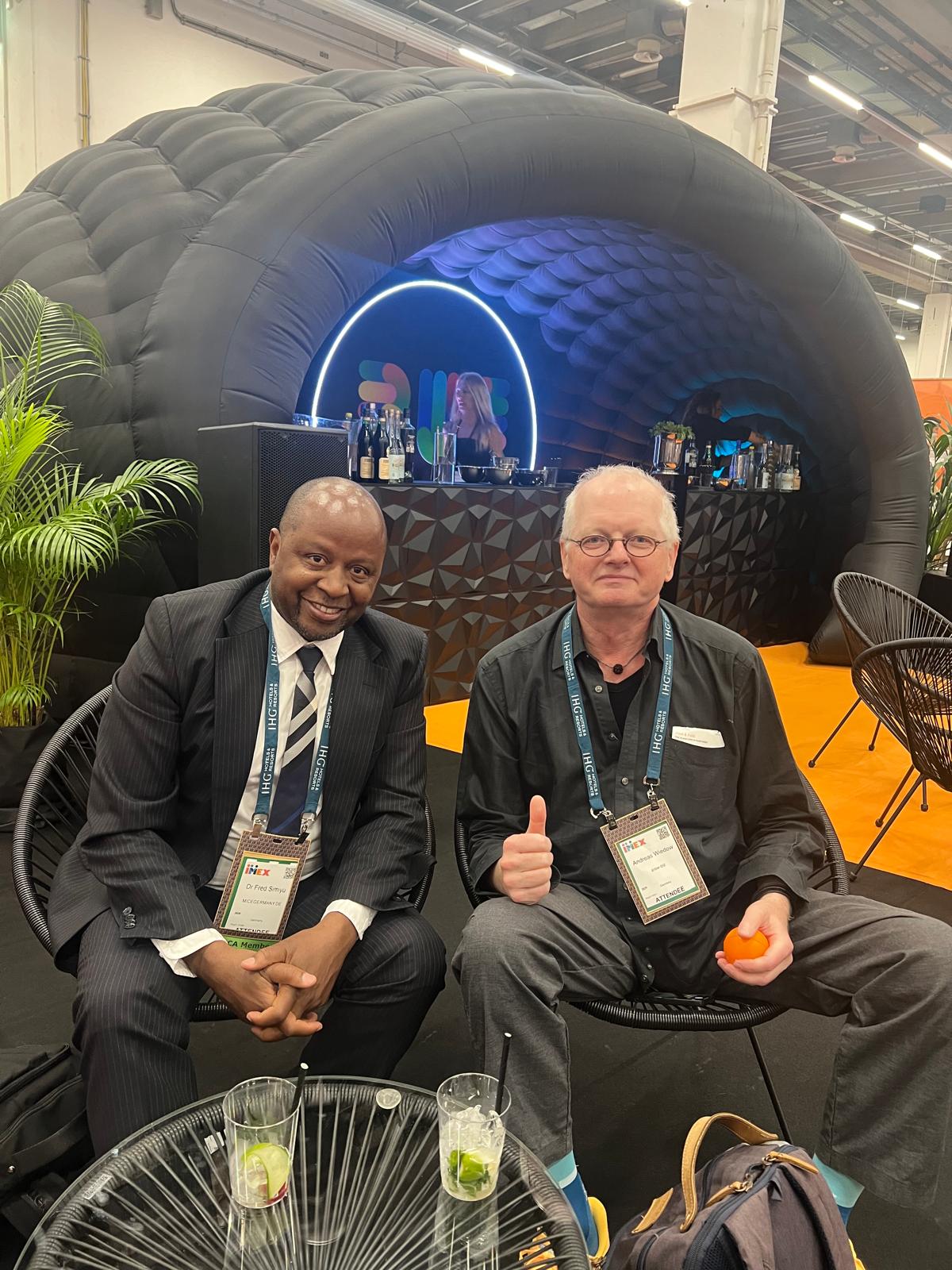
Chairman of MICEgermany.de Showcases Innovation at IMEX Frankfurt 2025
Thu, May 22, 2025 6 Mins
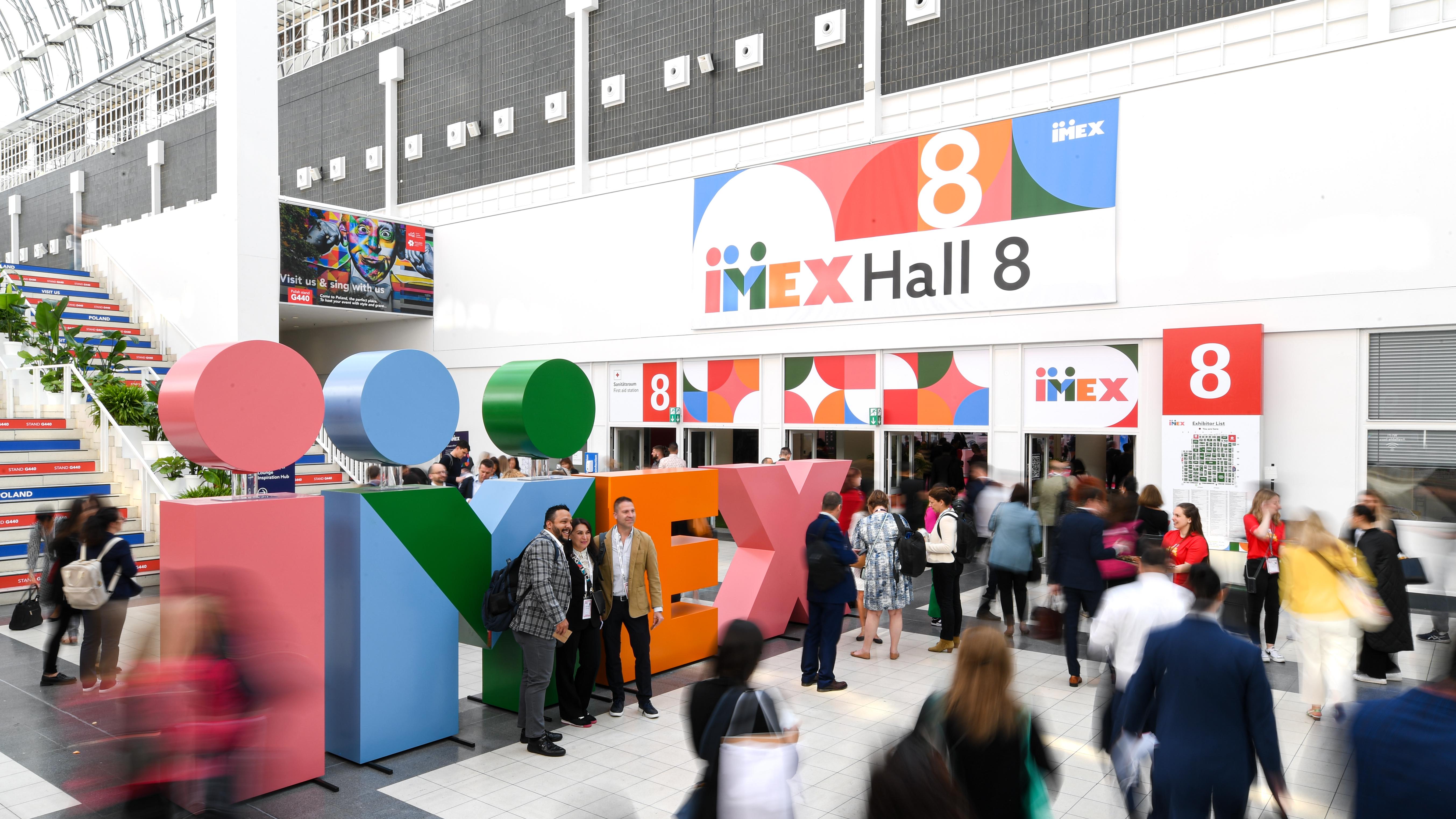
Record-Breaking IMEX Frankfurt Kicks Off, Celebrating Global Industry Growth
Thu, May 22, 2025 3 Mins

Emotional Design and Human Connection Lead Conversations on Opening Day of IMEX Frankfurt 2025
Wed, May 21, 2025 5 Mins

Events industry prepares for IMEX Frankfurt
Tue, May 20, 2025 5 Mins